For small-scale app developers with limited budgets, promoting an app on video platforms such as YouTube requires a highly targeted, cost-efficient, and execution-focused strategy. The core principles are simple: organic growth, niche positioning, and maximizing the value of every piece of content.
This article provides practical guidance from three perspectives:
YouTube content marketing, SEO & ASO alignment, and community-driven growth, helping indie developers and small teams achieve sustainable exposure without relying on paid advertising.
1.Niche Positioning: Avoid Competing Head-On with Large Developers
Small developers rarely win by targeting broad, highly competitive keywords or audiences. Instead, success comes from anchoring the app around specific user pain points or niche use cases, allowing you to build a focused and loyal audience.
How to Apply This on YouTube
Use long-tail keywords in your video titles, descriptions, and tags.
Long-tail keywords are usually made up of three or more words and have:
- Lower search volume
- Lower competition
- Much clearer user intent
Although each keyword may bring limited traffic individually, their combined volume can be substantial—and conversion rates are often significantly higher than broad keywords.
2.Content Strategy: Low Cost, High Value Video Creation
With limited budgets, content quality matters far more than production polish. You do not need expensive equipment or professional editing.
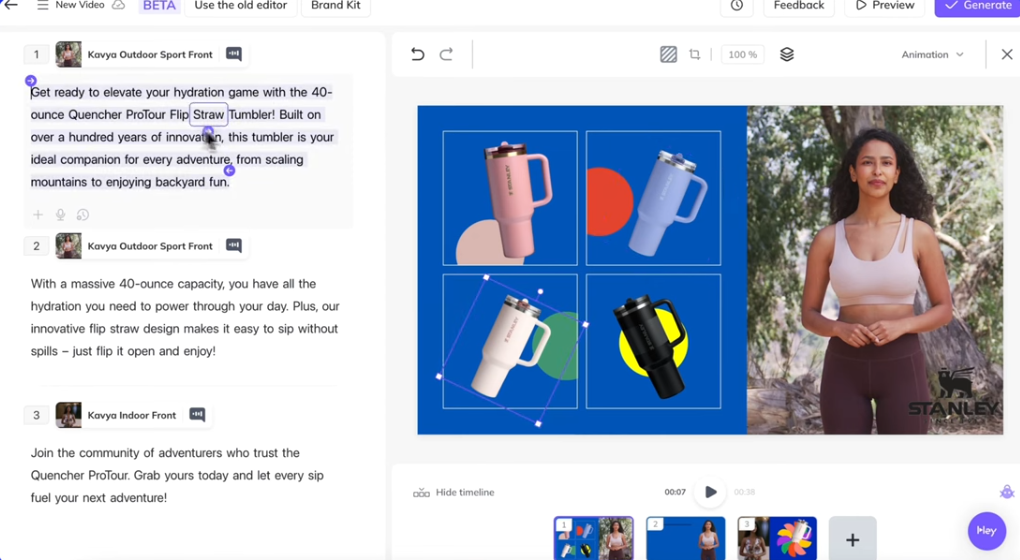
Use free screen recording tools and AI video ad generators to create videos that solve real user problems.
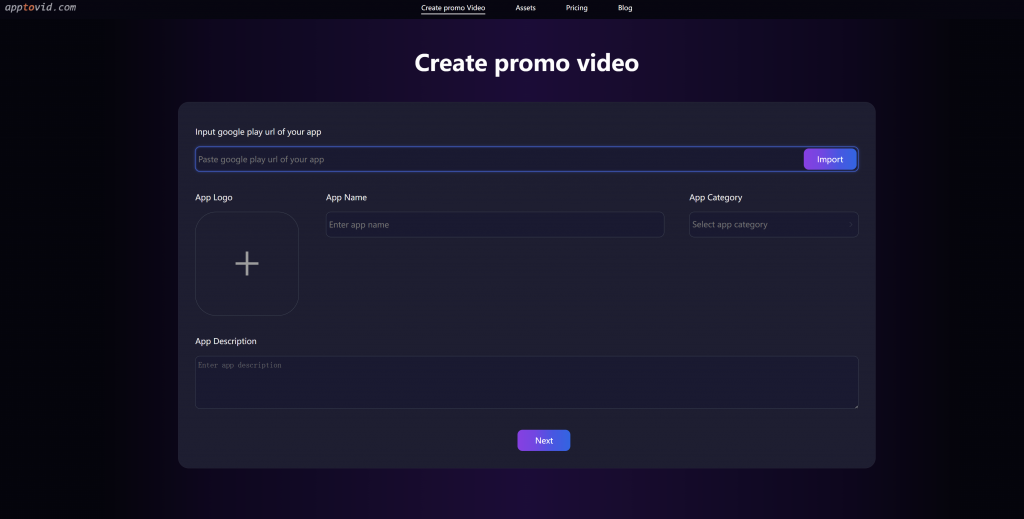
Focus on the following three core content types:
2.1 Problem-Solving Tutorials (Highest Conversion Potential)
Core Logic:
Start with a specific user problem, then demonstrate how your app solves it. The app naturally becomes the “answer” to the problem presented in the video.
Production Tips:
- Record your screen using free tools such as OBS Studio or QuickTime
- Add voice-over narration; no need to appear on camera
- Ideal video length: 3–8 minutes (a strong balance between YouTube’s algorithm and user attention span)
2.2 Niche User Story Videos (Build Trust and Emotional Connection)
Core Logic:
Show how real users—or yourself as the target user—use the app to improve daily workflows or solve specific challenges.
Encourage users to:
- Share original usage content
- Participate in feature challenges or usage streaks
- Earn early access or badges for testing new features
This approach strengthens community identity and increases retention.
2.3 App Updates & “Behind-the-Scenes” Content (Increase Retention)
Core Logic:
Turn product updates into content opportunities. Share your development journey and actively involve users in the roadmap.
Small developers have a unique advantage here—users are often more willing to support independent creators than large corporations.
Examples:
“I Updated the App Based on Your Most Requested Feature”
“Building an App with Zero Budget in 3 Months: What I Learned”
Production Tips:
- Keep videos short (2–5 minutes)
- Maintain an informal, authentic tone
- Encourage comments and feedback to boost engagement and algorithmic visibility
3.SEO and ASO Alignment: Maximize Organic Exposure Without Ads
YouTube is the second-largest search engine in the world, making search optimization essential.
For app developers, aligning YouTube SEO with App Store Optimization (ASO) creates a seamless user journey:
Search → Watch → Download
3.1 Build a Product Website and Optimize for SEO
Keyword Research (Free Methods):
- Use YouTube autocomplete suggestions related to your niche
- Explore low-competition keywords with tools like Google Ads
- Review “related searches” on Google
- Analyze competitors’ YouTube titles, descriptions, and tags within your niche
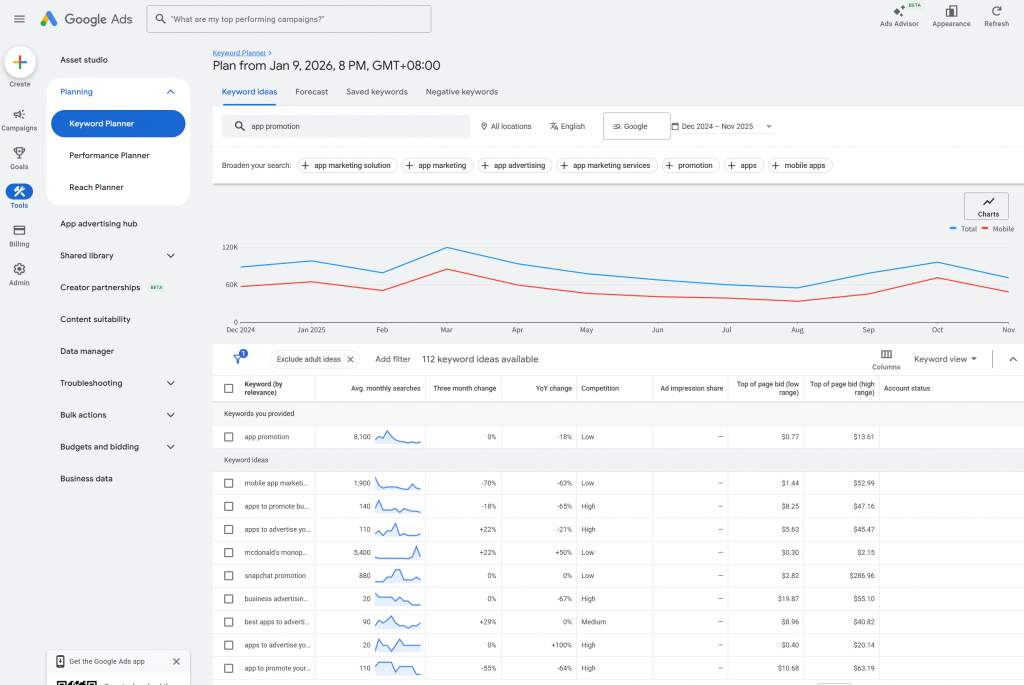
3.2 ASO Coordination
Use the same keywords across:
- App title
- Subtitle
- App description
- YouTube videos
This improves discoverability when users search for your app after watching a video and strengthens ranking consistency.
4.Community Building on YouTube: Turn Viewers into Co-Creators
With limited budgets, word-of-mouth is your most powerful marketing channel.
YouTube’s comment section—and the Community tab (unlocked after 1,000 subscribers)—are ideal spaces for relationship building.
Best Practices
- Reply to every comment, especially within the first 24 hours
- Ask open-ended questions to encourage discussion
- Invite users to share feature requests or usage challenges
Once you have a small core audience, consider moving them to free community platforms like Discord or Telegram to:
- Share exclusive updates
- Collect feedback
- Encourage user-generated tips and tutorials
These users often become your strongest advocates.
5.Collaborate with Niche Creators
Partner with small creators (1,000–10,000 subscribers) rather than large influencers.
They typically have:
- Higher engagement rates
- More authentic audiences
- Greater willingness to collaborate in exchange for free access or feature exposure
Choose creators whose content naturally aligns with your app’s use case.
6.Repurpose Content for TikTok and Other Short-Form Platforms
Do not rely solely on YouTube’s algorithm.
Repurpose your videos into 15–60 second clips and distribute them across:
- TikTok
- Instagram Reels
- X (Twitter)
Add clear calls to action, such as:
“Watch the full tutorial on YouTube to learn how to organize your research notes.”
Also share content in:
- Relevant subreddits
- Quora answers
- Facebook groups
7.Metrics That Actually Matter (Avoid Vanity Metrics)
Use YouTube Studio and focus on these core indicators:
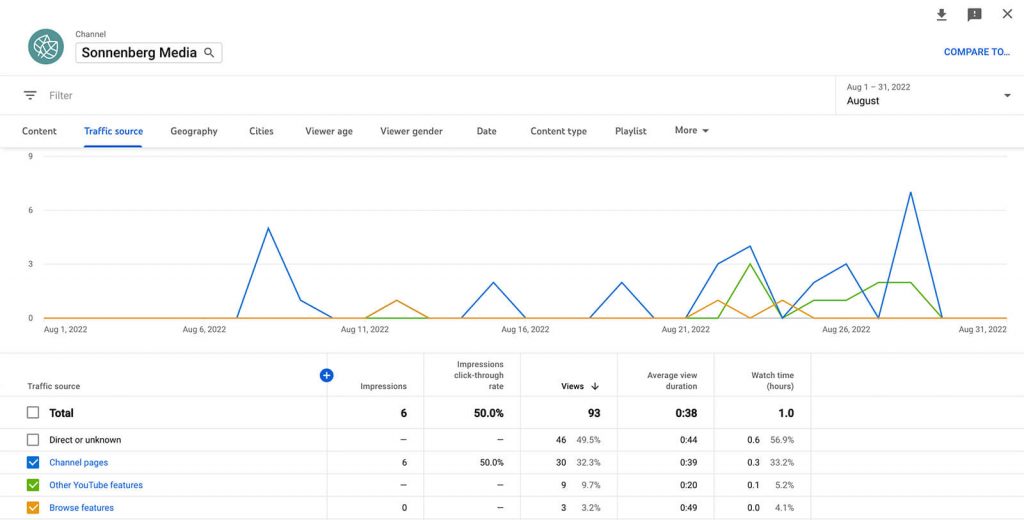
Watch Time
YouTube prioritizes videos with longer watch time.
- Target average watch time: 3+ minutes
- Improve by optimizing the first 10 seconds or shortening videos
Click-Through Rate (CTR)
- Healthy CTR for niche content: 5%–10%
- Optimize thumbnails and titles if CTR is low
Conversion Rate
Track how many viewers download your app.
- Use short links (e.g., Bitly) to measure clicks
- Track installs via App Store Connect or Google Play Console
- Target conversion rate: 2%–5%
Final Advice: Consistency and Patience
Organic growth on YouTube takes time. Do not expect instant results.
Commit to:
- Consistent publishing (at least once per week)
- Delivering genuine value
- Actively engaging with your audience
Over time, your channel will grow—and so will your app—without spending a single dollar on ads. For small-scale app developers, this is the most sustainable and cost-effective growth strategy available.